I know you’ve tried a variety of hays, but perhaps you need to keep at it and see.
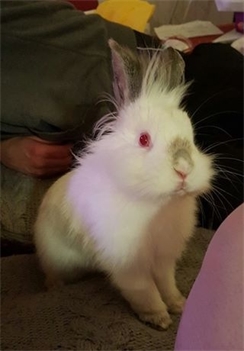
Wick started with just Timothy hay. Then I wanted to try some new stuff, so I got a small bag of oat hay and at first he didn’t seem too interested. After a week, I realized he would eat the oat hay first. I then added orchard hay just for just, and he was eating a lot more.
Then what ended up happening was Wick would get very selective about his hay. He’d just go through the pile for oat hay seeds, then comb through for orchard hay, then not eat the rest. Wick is now on a different hay feeding schedule to avoid selective eating. Below is his schedule:
A. 6AM – Receives 3/4 of total daily veggie serving
B. 4PM – Receives pellets (1/8 to 1/4c)
C. 8PM – Receives 1/4 of total daily veggie serving
A. 5:45AM – Hay in litter boxes are thrown in the hay box, mixed around with old hay and new Timothy hay, then replaced in litter boxes.
B. 2PM – Litter box hay are thrown into hay box again, shuffled around, then redistributed. No new Timothy hay added (to efficiently go through old hay first)
C. 8PM – Oat hay and orchard hay are mixed into the litter box hay, to encourage hay appetite in the evening. Usually Wick gets light on hay eating at night because he just had veggies and is active, thus has more energy dedicated to being selective. Adding the new hays makes the litter box hay attractive again.
=== Hay Box: Vessel to freshen already-picked-through hay with newly added Timothy hay. Cleaned out once a week by scooping the small hay strands and dust from the bottom, because Wick won’t eat that stuff and it makes me and him sneeze.
… Rabbits will comb through hay to find their hay in runs. So first go through, they look for their favorite texture, then second favorite, third, etc.. Try actually presenting slightly smaller hay piles, and this could help get him eating it since no other food is available.
It could also be his teeth. Wick had small poos from teeth problems for a spell.
The answers provided in this discussion are for general guideline purposes only. The information is not intended to diagnose or treat your pet. Seek the advice of your veterinarian or a qualified behaviorist.



 .
.


 thank you everyone. Xxx