It all depends on what exact infection it is. Snuffles is commonly used as an umbrella term for the numerous bacteria which can cause URIs. Some are asymptomatic in 14 days with Baytril, others need a different medication and a longer treatment period. If the medication you had previously completely nullified the symptoms, it could be that is the best medication and you needed to continue it longer.
If it’s possible, I would generally recommend doing the treatment longer than you think you need it to ensure the infection is weakened and gone.
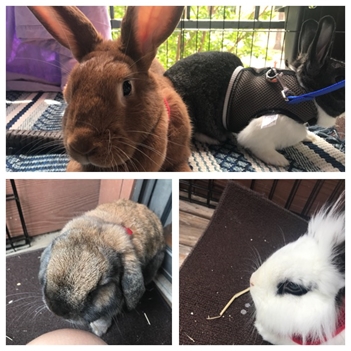
Now I’m not familiar with URIs that flare up. Personal bias, but I usually suspect that people may be stopping medication prematurely. Wick was treated for 5 months for his URI, and it hasn’t shown its head since then. The 5 months was: two weeks on Bactrim, ineffective; 3 months on Baytril, effective but symptoms never went away; 1 month on Baytril + penicillin injections, extremely effective and permanently stopped the symptoms. Wick’s case is very unusual in length because we suspect his immune system is very bad, but that gives you an idea that sometimes medication type and treatment duration affects treatment outcome. That being said, Wick is one case and I’m not a vet, but I think it’s important to think about.
A culture can be done to identify the specific infection and it can be redone to see if it still is around. Wick’s vet at the time treated only based on symptoms, which I was comfortable with, and together we worked it out to cure Wick from his sneezing and snotty nose.
Yes, there was money involved with all of it, but one of the ways I -saved- money was buying the Baytril in larger vessel sizes from the vet when we realized we need to be doing it for longer than a normal course. I also opted out of cultures due to unreliability and costs as well, because symptoms we’re a good indicator in our case. I think speaking frankly and weighing different options with your vet can be valuable. Sometimes we may feel uncomfortable talking about money with the vet because we don’t want to come off a certain way, but I think it’s important to let your vet know, and this may generate different perspectives and ideas for the best course of action long term.
The answers provided in this discussion are for general guideline purposes only. The information is not intended to diagnose or treat your pet. Seek the advice of your veterinarian or a qualified behaviorist.



.