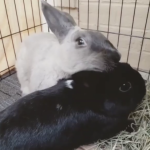
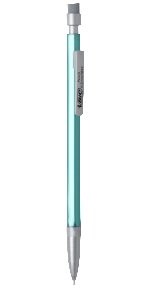
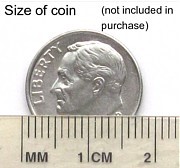
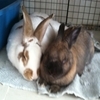
I thought it may be informative to have a small pool to gather what various owners do when they notice their bun bun’s poos are deviating from their norm. At his best, Wick’s poos are slightly larger than my pinky nail, and they are dry to damp and circular.
** PLEASE NOTE: This is under the assumption your rabbit is, otherwise, healthy. If you believe the cause is not something easily treated at home, seek medical attention from a trained rabbit veterinarian!
This is meant for short, innocuous spells in rabbit digestion, caused by potential gas episodes, molting, change in food, etc..
If not dry, large, and spherical:
1) What typically causes this in your rabbit?
2) With your response from #1, are there other symptoms besides irregular poo that flag it?
3) What’s the first remedy you try? Second? Third? Concurrent remedies?
4) How long does it take for your rabbit’s poo to ‘bounce back’?
5) How often does this occur?
6) What do you think causes it?
Wick, 10mo Netherland Dwarf, male (neutered)
1) Gas & fur consumption from molting
2) Less willing to lounge when being pet, has a shorter fuse to activate “sassy pees” (peeing outside litter box because he’s frustrated for not getting a treat/attention)
3) First/second: Recycle current hay and put only fresh timothy hay and orchard hay in litter boxes to encourage more eating. Give him belly massages during pet sessions. Third: Syringe feed water and dump/freshen all water bowls. Fourth: Give 1mL of simethicone. Fifth: Groom off excess fur
4) About 24 hours. I may notice smaller, less frequent poos on a Friday, start remedies all day Saturday, and the poos will be big and grand again Saturday evening, or Sunday morning.
5) One or two times a month, if at all.
6) For the most recent two instances, I believe it’s fur consumption from molting. It’s his first big molt, and the symptoms usually proceed a string-of-pearls poo the day prior. For all other instances, most likely gas.
The answers provided in this discussion are for general guideline purposes only. The information is not intended to diagnose or treat your pet. Seek the advice of your veterinarian or a qualified behaviorist.



 .
.