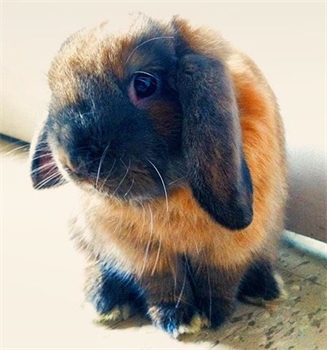
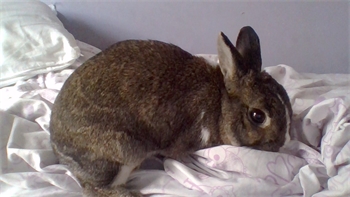
Ugh, Flea! Still such a great name every time I read it. What a boy you’re growing up to be.
Covering all bases, just to be safe, this new behavior could either be triggered by sexual maturity or be un-related to that and deals more with being very stressed and uncomfortable.
To rule out/confirm the latter option, do you find he’s laying around more often now? I know in a previous post you mentioned he didn’t really lounge out fully for you as often. Being more resistant to full relaxation can be a sign of discomfort— it’s a symptom for Wick when his teeth are bothering him. Is he still displaying less social behaviors and being reclusive? You have mentioned he rejected hand-fed treats— does he still do this? Decrease in appetite, relaxation, and level of engagement, in addition to destructive behavior (digging) can all be signs of something bothersome. Teeth clicking while in a rested position is normal. It typically shows relaxation and comfort. Teeth clicking while moving around and being very consistent is possible as well, but a shot-in-the-dark idea is his teeth/jaw are beginning to develop more and perhaps they’re growing in a way that’s making him need to move his mouth to spread spit lubrication, dampening any sharp teeth stabbing his mouth. Wick has poor jaw alignment, so he will occasionally chew to himself and produce spit to lubricate and tolerate it better. Have you seen any changes in poop appearance/frequency, and when eating hay, has there been instances of spitting it out?
… If all is healthy, than hormones can definitely be at play, and the constant tooth clicking, digging, and biting can come from frustrations about territory and mating. A lot of people help channel their rabbit’s digging needs by making a dig box. If you google “rabbit dig box”, you’ll get some nifty examples, and this may help your rabbit get it out of their system. The best approach to save your carpet is covering it with cardboard or a bed sheet when he’s on it, or watch like a hawk and try to deter it every time. The better option depends on your home set-up.
I don’t have any specific comments on the rapid breathing during petting. Is his nose twitching a lot during the pet? If so, he’s very alert for some reason; potentially he’s come to you for safety, in fear of something. If not, he’s probably relaxing and the rapid breathing can sometimes be very natural for rabbits since they have high heart rates as well.
Can you describe what he’s like during the evening hours, now that he’s “much less affectionate”? To an extent, some rabbits simply are not as affectionate as others. It may have nothing to do with the owner. Similar to how some humans love giving hugs and other humans are like, “No, a handshake.”. Flea may be a less affectionate rabbit in reality, but that does not mean there’s less love of affection towards you.
The answers provided in this discussion are for general guideline purposes only. The information is not intended to diagnose or treat your pet. Seek the advice of your veterinarian or a qualified behaviorist.



 .
.