I think using grids to build some hidey houses and places to climb is a great idea! It is secure as long as you get good quality grids that are all square, snap together, and use zip-ties to extra hold the grids together. There are a lot of options for how to floor those structures as well, and there are some examples in the RABBIT INFO section of this site, where you can see different habitats members have shared. For my grid-cages, I secure a sheet of cloroplast to the grid and lay cut carpet squares that you buy from hardware stores.
Different toy arrangements can be good for rabbits who engage with those toys, but if you feel your rabbit is board, I think making more structural environmental changes would be more enriching. At the same time, any animal would be naturally curious and want to explore more space where they suspect it is, so why should he be barred from going to the other place when everyone else can go (humorous interpretation of what’s going on in his mind, not me lecturing you!).
“… but he isn’t very interested in most toys unless they’re edible.” — This is an important observation. Trial and error is needed to figure out what individual rabbits like. If a rabbit isn’t interested in something, then that might be a personal taste and we need to find what they do like! This can include different sizes, materials, sounds, and “groundedness” (i.e. something that can be thrown around vs. attached and unmoveable). Some people talk about “toss” and “chew” toys, where chew toys are more anchored and take the place of rabbits who might like chewing baseboards in their free time.
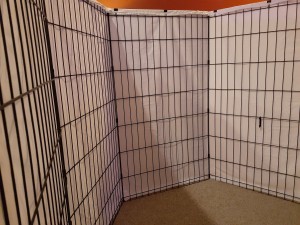
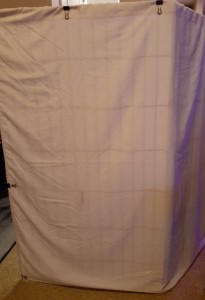
I found binderclipping a bed sheet to the pen sides effective, but making sure it’s on the outside only, because if any drapes over the top to the inside or is too short and creates a fabric “step” up, my rabbits try to launch and climb up it:
The answers provided in this discussion are for general guideline purposes only. The information is not intended to diagnose or treat your pet. Seek the advice of your veterinarian or a qualified behaviorist.



 .
.