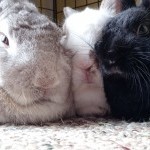
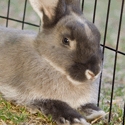
There are a lot of similarities with buns and piggies, but some key differences. It used to be common for guineas and rabbits to even be housed together, but they have different flooring requirements and guinea pigs can carry respiratory infections that rabbits can get, so that’s not recommended anymore.
I know there can be an overwhelming amount of info (that is sometimes conflicting) out there, so I’d recommend checking out the “Rabbit Info” section on this site as a starting point: https://binkybunny.com/house-rabbit-information/
Here’s the section on housing: https://binkybunny.com/infocategory/house-rabbit-habitats/
And diet: https://binkybunny.com/infocategory/healthy-diet/
Rabbits and guineas have somewhat similar diets, in that both should have unlimited grass hay, plus a limited amount of timothy-based pellets and some salad each day. Rabbits tolerate less starchy or sweet veggies than guinea pigs, so stick to leafy greens and herbs with buns (avoid cabbage, broccoli, cauliflower as they can cause gas). Rabbits have sensitive digestion, so new foods should be introduced really slowly.
In terms of the cage, rabbits use a litter box, and should not have pine shavings as litter. Pine pellets (like feline pine or horse stall bedding) are safe, but the shaving have aromatic compounds that become dangerous over time.
A pen set-up is a pretty easy set up for a bun. I have my buns in large pens made out of NIC cube grids. They have a hide, a litter box, water bowl (I use heavy crocks they can’t tip over), and some chew toys. I have the pen floor lined with soft blankets.
Even in a large pen, buns should have several hours of exercise each day in a bunny-proofed room.
Rabbits also usually should be spayed or neutered, so that’s something to consider as well. In both sexes, castration helps with litter box habits and other behavior issues, and female rabbits have really high rates of reproductive cancers. Usually this is done between 4-6 months of age, depending on your vet recommendation.
.
.
.
The answers provided in this discussion are for general guideline purposes only. The information is not intended to diagnose or treat your pet. Seek the advice of your veterinarian or a qualified behaviorist.



 .
.