Hi there,
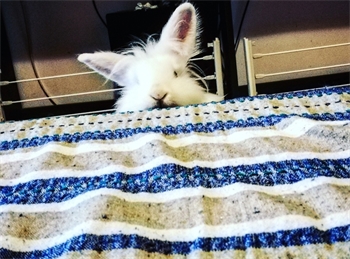
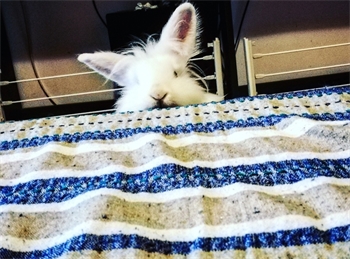
Congrats on the new bun and welcome 
I’ll just answer your Q’s in order:
1. I think giving him about a week at home would be nice for him. I would call to see when they can schedule you, and go from there. It might be that they don’t even have openings for a few weeks so your decision will be made for you.
2. It probably wont be too stressful, but you can certainly expect lots of marking, and probably some extra thumping! If you already had a bonded pair, the new un-neutered boy might upset that, but since your girl is single I wouldn’t worry too much. You might want to prepare for pre-bonding by getting an extra x-pen or two (or cube grids works great too). That way you can divide up the room with a buffer so they can both have free-run at the same time (but not nip at each other), and then swap sides so they get used to each other’s scent, and she looses track of what’s “her’s” a little.
3. I feel your pain here. I have a studio apartment and finding space for bonding has always been a challenge. If she’s been in the bathroom, I wouldn’t use the bath tub. I also haven’t had great luck with the bathtub or small spaces in general (but every pair is different!). I’ve found with mine that smell is just as important (or more important) than sight, so if they are within smell of their normal turf, it counts as “semi-neutral”. Do you have a backyard, garage, or friend’s garage or kitchen that you might be able to use? I had the best luck with mine when I set up a large area (like 2 x-pens linked up) in my friend’s garage. Even if you can’t do sessions daily, I think 3-4 times a week in a truly neutral spot would be better than daily in a less-neutral spot. The more neutral, the better!
You can also do stress sessions (car rides, or walks around the block in a bin, or in a bin on top of the washing machine, etc) on the days that you can’t take them anywhere. Since he’s not neutered yet, you’ll have some time to plan during his healing and pre-bonding once his hormones have settled.
.
.
.
The answers provided in this discussion are for general guideline purposes only. The information is not intended to diagnose or treat your pet. Seek the advice of your veterinarian or a qualified behaviorist.



 .
.