Hi everyone,
This probably isn’t so much a question as me trying to think about options and decide what to do. I live in Santa Barbara County, and we’ve been dealing with a very large wildfire for the last week (the Thomas Fire). My home is not under immediate threat of the fire (and probably won’t be, unless the entire town burns down), but the air quality has been completely awful for the last week. It’s rated as “unhealthy” now, and has reached hazardous levels.
The fire got much worse last night, and evacuations are now reaching into the opposite edge of town. The fire is pretty far away still, but it’s traveled more than twice that distance in the last week, and is only 15% contained…
I’ve had my apartment sealed up, and we have a hepa filter running full blast, but I know that there are nasty pollutants that the filter doesn’t take care of.
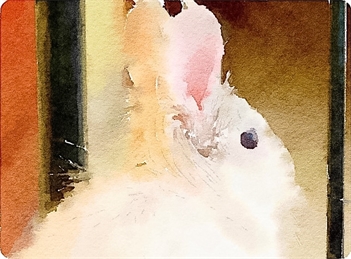
The bunnies seem fine (un-phased really), but I am super concerned and stressed. Intermittent power outages and toxic air. Many friends have left town even though they aren’t required too because the air is so bad. I would of course evac immediately if I had to, but with the bunnies and cat, it’s a tough call to leave when we aren’t even under voluntary evac notice.
I would also probably have to abandon my fish tank. If the power stays on it would be fine, but when the power goes out the filter stops working and needs to be primed once the power kicks back on. It has gone out and back on at least 10 times in the last 15 hours.
If we did fully evacuate, there are places we could go, but I’m not sure it would be better for the animals to subject them to the stress of moving somewhere if it’s not necessary.
I know the local government doesn’t want people to panic about the air, but it’s unclear how much being inside helps.
I probably won’t do anything until tomorrow, but by then I might have reached a breaking point with this smoke and it will be more obvious what I should do.
I’ve got their supplies and temporary housing staged and ready to go.
.
.
.
The answers provided in this discussion are for general guideline purposes only. The information is not intended to diagnose or treat your pet. Seek the advice of your veterinarian or a qualified behaviorist.



 .
.

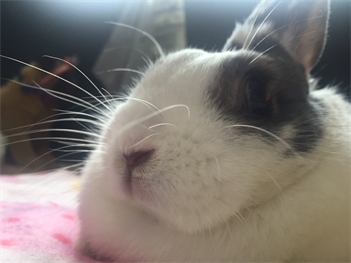
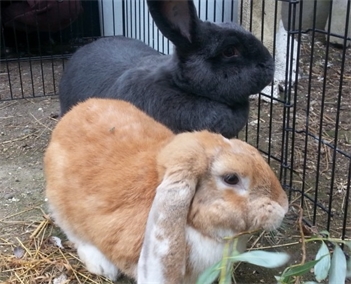


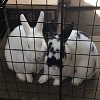
 Hope they enjoy their little vacation.