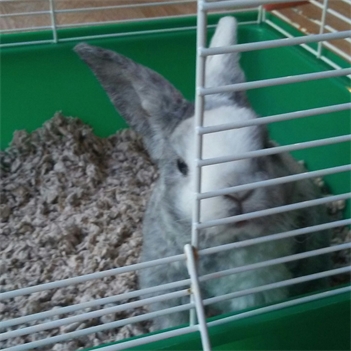
Holding them when they are young doesnt promise they will still tolerate being held after they are adults. My most cuddley baby turned into my bun who hates to be held the most, for example. Many rabbits dont like being picked up at all, for whatever reasons
For peeing and sitting in it, learn why she isnt scooting her butt back. Rabbits should scoot their butt back, pee, then scoot back to normal position. There should be enough litter to catch the pee so it doesnt soak into their fur. Soaking into their fur can cause scalding, irritation, and burns. Many rabbits also like to lay in their litter boxes too, because theyre soft and comfortable, which is also why you will need a good litter so the rabbit doesnt lay in their urine  Many people like to use the bunny burrito tactic for rabbits who fight when they need to be groomed over. It seems not to have any effect on trust that ive seen, but ive not had to use that tactic for grooming yet
Moodyness is very common in unspayed females because their hormones fluctuate a lot. Its like constant PMS in some cases. After she is spayed, allow her up to six months to fully change her habits. Females take longer than males to drain all of their hormones from their bodies, so although it can take a month or less to start mellowing out, it could take longer. For nipping, should she continue that habit, “yip” and turn your back to her when she bites, wait about a minute, then turn around and pet her. This will help her learn that nipping and biting causes pain, which isnt ok. Females are also a ton more territorial. It should be mostly fixed come time after being spayed. A companion right now will make it worse. Wait until she is healed and her hormones have drained
You dont introduce them until they are both spayed. Until then, you should keep them both in their own territory/areas for the long wait. Again, you will have to wait until up to six months after the youngest is spayed to put them together. For now, the only steps to take until the several months have passed would be to keep their cages close but not too close. Just close enough that they can see one another, but cannot fight or bite one another. And while you do that, you can swap their litter boxes back and forth between the cages every few days, and swap their toys while you are at it too



 .
.