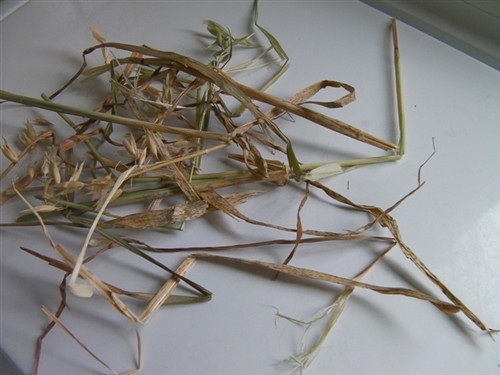
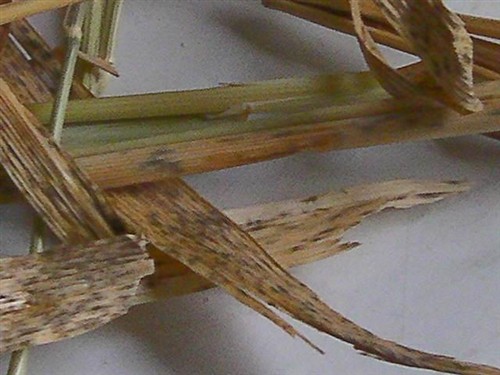
Moonlight — Hay mold isn’t “fuzzy” the way you’d see it on human food — it actually does look very similar to those photos that Jersey posted. And I too would have said that is mold. Our supplier got a bunch of Oat that looked like that and they promptly returned it to the farmer. The way it looked was almost identical to your photos. Whether or not it was actual mold, don’t know, but they’ve been working with hay long enough to know but they seemed to feel it was — either way, it was not a “look” that could be sold.
Since this discussion made me want to be able to tell the difference between Rain Damaged and mold beginning to grow/or a result of mold so I decided to google it, though when I get a chance to talk to hay farmers, I’ll ask them about this.
Here is some info so far that I have found about rain damaged hay and I am sure learning more about this.
http://oregonfeed.org/mehren_art_0706.htm
http://www.usextension.org/animalag/forage/umd-evaluating%20hay%20quality.htm
From the source above: “Rain damage. Hay that has been exposed to rain or to heavy dews or fog has a characteristic dark brown or black appearance. Rain falling on hay between the time of cutting and baling can leach out soluble nutrients and reactivate plant respiration. Hard rain can also shatter leaves, especially if the rain occurs when the hay is nearly dry. The stems of hay that has been sun-bleached or discolored by rain are usually harsh and brittle. Avoiding rain damage is a goal in haymaking but delayed cutting must be balanced against the lower feeding value of late cut hay.”
Good stuff to learn — though I would never purchase hay that looked like that for resale — just a good FYI to keep stored in the brain cells.